

The New Era of Modern Healthcare
In recent years, the global healthcare landscape has undergone a profound transformation. Instead of focusing solely on treating symptoms or making superficial aesthetic corrections, modern medicine is increasingly shifting toward restoring the body at a biological and cellular level. This evolution has given rise to a rapidly growing field known as regenerative medicine.
Regenerative medicine represents a new generation of healthcare solutions designed to repair, replace, and regenerate damaged cells, tissues, and biological functions. Rather than simply masking the signs of aging, this approach aims to support the body’s natural ability to heal and maintain long-term vitality.
Across the world, healthcare providers, biotechnology companies, and research institutions are investing heavily in regenerative science because of its potential to reshape how people approach aging, wellness, and preventive care. As longevity medicine continues to expand, stem cell science has emerged as one of the most promising pillars of this movement.
Understanding Stem Cells and Their Biological Role
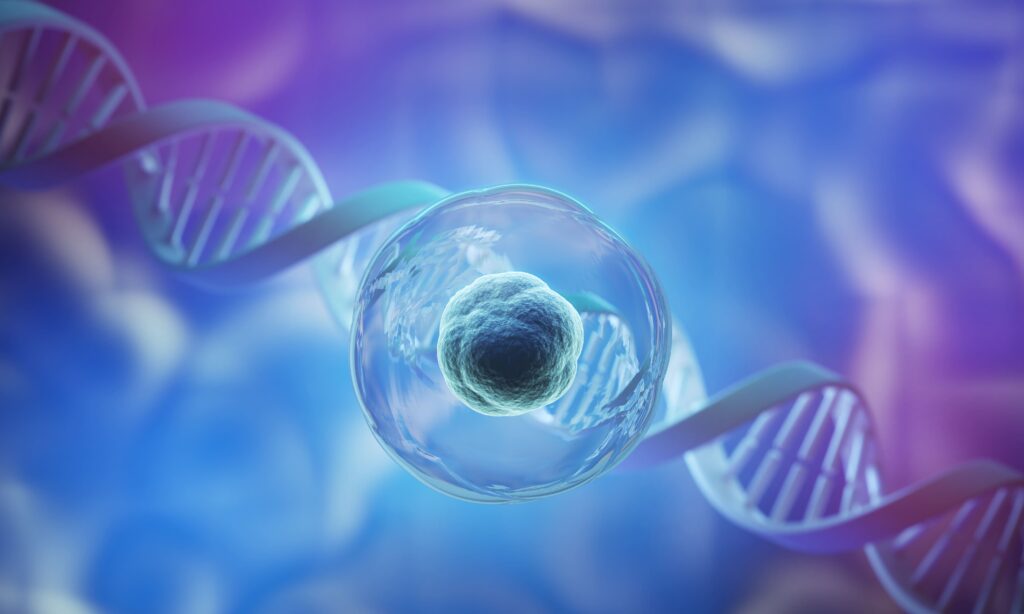
Stem cells are often described as the body’s foundational or “master” cells. Unlike specialized cells that perform one fixed function, stem cells possess the remarkable ability to develop into different types of cells required for tissue maintenance and repair.
Two core characteristics make stem cells particularly valuable in regenerative medicine:
Self-Renewal
Stem cells can replicate themselves repeatedly while maintaining their biological properties. This capability allows them to continuously support tissue regeneration over time.
Differentiation
Stem cells also have the ability to transform into specialized cells such as skin cells, muscle cells, cartilage cells, and other tissue-specific structures needed by the body.
Within modern regenerative medicine, much attention is given to Mesenchymal Stem Cells (MSCs). These multipotent cells are widely studied for their regenerative and immunomodulatory properties. Rather than functioning only as replacement cells, MSCs play a critical role in biological communication and tissue repair.
Scientists often refer to MSCs as the body’s “first responders” because they release important signaling molecules that help coordinate healing processes throughout the body.
The Science Behind Cellular Communication
One of the most important breakthroughs in regenerative medicine is the understanding that stem cells do far more than simply replace damaged tissue. Their real power lies in how they communicate with surrounding cells.
This process is known as paracrine signaling.
Through paracrine activity, stem cells release a complex mixture of biological signals, including cytokines, growth factors, proteins, and extracellular vesicles such as exosomes. These bioactive components help guide neighboring cells and tissues toward repair and regeneration.
Research has shown that these regenerative signals may help support several important biological processes, including:
- Stimulating collagen production
- Strengthening the extracellular matrix (ECM)
- Supporting tissue repair and recovery
- Promoting angiogenesis, the formation of new blood vessels
- Enhancing cellular communication
- Supporting healthier skin structure and elasticity
The extracellular matrix is particularly important because it acts as the structural foundation that supports tissues throughout the body. As people age, the ECM gradually weakens, contributing to visible aging signs and reduced tissue resilience.
By improving cellular signaling and tissue support, regenerative medicine aims to promote healthier biological aging from within.
Regenerative Medicine and the Future of Aesthetic Longevity
The aesthetics industry is also evolving alongside advances in regenerative science. Traditional aesthetic treatments have often focused on temporary cosmetic improvements. However, modern longevity-focused aesthetics are increasingly centered on biological restoration and tissue health.
Today’s regenerative aesthetic approaches emphasize supporting skin quality, tissue integrity, and cellular vitality instead of only addressing surface-level concerns.
Stem cell science and exosome research are becoming increasingly relevant in areas such as:
- Healthy aging support
- Skin rejuvenation
- Tissue recovery
- Wellness optimization
- Preventive longevity strategies
As scientific understanding continues to advance, regenerative medicine is expected to become an essential component of future healthcare systems focused on proactive wellness rather than reactive treatment.
Cellcare Holdings: Connecting Research with Real-World Healthcare
Within this evolving biomedical landscape, Cellcare Holdings positions itself as a strategic ecosystem builder dedicated to bridging scientific innovation with practical healthcare applications.
The company’s long-term vision extends beyond conventional anti-aging concepts. Instead, Cellcare Holdings focuses on building scalable and science-led healthcare systems that support regenerative medicine development across the ASEAN region.
Its approach is built upon several key principles:
Science-Led Development
Cellcare Holdings emphasizes research-driven healthcare innovation through collaborations with biotechnology and regenerative medicine partners such as CellResearch Corporation. This scientific foundation helps support evidence-based development in cellular and regenerative healthcare.
Regulatory Alignment
As regenerative medicine expands internationally, regulatory compliance and safety standards remain critical. Cellcare Holdings aims to align healthcare development strategies with regional regulatory frameworks to support safe and responsible implementation across ASEAN markets.
Scalable International Standards
Another important objective is creating standardized operational systems that can support consistency, quality, and accessibility across international healthcare networks.
By focusing on infrastructure, scientific collaboration, and long-term healthcare scalability, Cellcare Holdings contributes to the broader advancement of regenerative and longevity medicine in Southeast Asia.
The Future of Proactive Healthcare
The future of healthcare is increasingly moving toward prevention, optimization, and long-term vitality. Instead of waiting for visible decline or chronic disease progression, regenerative medicine promotes a proactive approach centered on maintaining cellular function and biological resilience.
Stem cell science represents more than a medical trend. It reflects a larger shift in how modern healthcare understands aging itself.
As longevity medicine continues to evolve, regenerative healthcare may play an increasingly important role in helping individuals maintain quality of life, mobility, energy, and overall wellness throughout the aging process.
Cellcare Holdings continues to support this vision by contributing to the systems, partnerships, and scientific foundations that may help shape the next generation of regenerative healthcare across ASEAN and beyond.
“We do not just invest in healthcare – we build the systems that enable its future.”
